U.S.
VerifiedHysterectomy Trends in Modern Medicine: Clinical Trials, Technological Shifts, and Public Health Data
Federal statistics show nearly fifteen percent of U.S. women undergo hysterectomies, while decade-long clinical trials and robotic innovations reshape treatment options for non-cancerous conditions.
Reading settings

Quick take
Comprehensive news report on U.S. hysterectomy rates, JAMA Surgery trial findings on prolapse alternatives, robotic surgical trends, and cancer screening awareness.
Why it matters
Understanding current epidemiological data, long-term clinical trial outcomes, and surgical advancements allows patients and healthcare providers to make fully informed, individualized decisions regarding uterine health and organ preservation.
What happens next
Medical professional societies are reviewing recent 10-year trial data to update clinical practice guidelines, emphasizing mandatory counseling on uterus-sparing options prior to elective surgical intervention.
Epidemiological Scope and Demographics of Hysterectomy in the United States
Hysterectomy remains one of the most frequently performed surgical interventions in gynecological care across the United States. Federal data released by the National Center for Health Statistics, a branch of the Centers for Disease Control and Prevention, indicates an age-adjusted hysterectomy prevalence of 14.6 percent among adult American women. This figure establishes the procedure as the second most common non-obstetrical surgery for women nationwide, trailing only behind major orthopedic or cardiovascular interventions in absolute volume.
The prevalence of hysterectomy varies sharply by age demographic. Surveillance data from the National Health Interview Survey shows that only 2.8 percent of women aged 18 to 44 have undergone the procedure. However, this proportion climbs steeply among older demographics, reaching 41.8 percent among women aged 75 and older. This cumulative increase reflects historical surgical patterns where hysterectomy served as a primary definitive solution for various chronic conditions including symptomatic uterine fibroids, severe endometriosis, heavy menstrual bleeding, and pelvic organ prolapse.
Demographic patterns also reveal notable variations across race, ethnicity, and geography. CDC findings highlight that non-Hispanic Black women present an age-adjusted hysterectomy rate of 16.3 percent, compared to 15.6 percent for non-Hispanic White women, 12.5 percent for Hispanic women, and 6.1 percent for non-Hispanic Asian women. Furthermore, women residing in nonmetropolitan regions and those living in the Southern and Midwestern regions of the United States report higher rates of surgical removal compared to urban dwellers in the Northeast, underscoring broader structural factors in medical practice and patient options.


Clinical Trial Shift: Uterus-Sparing Alternatives Outperform Full Removal for Prolapse
For decades, total hysterectomy was routinely advised for women experiencing severe pelvic organ prolapse, a condition where pelvic floor muscles weaken and allow pelvic organs to slip out of position. However, groundbreaking decade-long research is changing how clinical specialists approach organ preservation. A 10-year clinical trial published in JAMA Surgery evaluated long-term outcomes comparing full hysterectomy against hysteropexy, a surgical approach that repairs pelvic floor support using mesh while leaving the native uterus intact.
The trial findings demonstrated that patients who underwent uterus-sparing hysteropexy experienced a 36 percent lower risk of treatment failure after ten years compared to those who had their uterus completely removed. Treatment failure in these clinical trials was measured by recurrent organ prolapse, the need for secondary surgical intervention, or persistent symptomatic distress. Researchers noted that preserving the anatomical integrity of the pelvic cavity provides superior structural anchor points, reducing long-term strain on surrounding tissue structures.
Despite these results, clinical experts emphasize that both hysteropexy and total hysterectomy remain viable options tailored to individual medical histories. For patients with concomitant uterine pathologies, high risks of uterine cancer, or personal preferences against organ retention, hysterectomy remains an essential surgical choice. Nonetheless, the compelling 10-year data is prompting clinical guidelines to mandate detailed discussions regarding organ-preserving alternatives prior to scheduling major elective procedures.

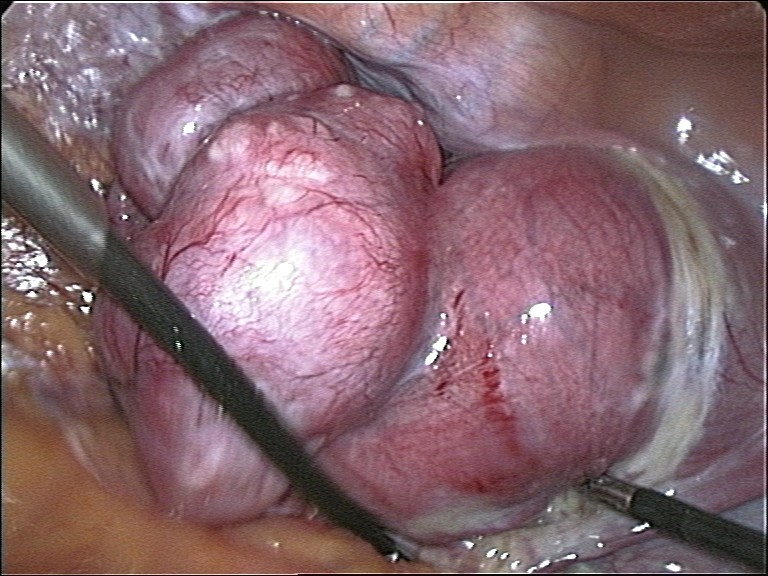
.jpg)
Technological Evolution: Minimally Invasive and Robotic-Assisted Surgery
The surgical execution of hysterectomy has undergone a dramatic technological transformation over the past decade. Traditional open abdominal hysterectomies, which required extensive abdominal incisions and multi-day inpatient hospital stays, are increasingly being superseded by minimally invasive techniques. In current clinical practice, robotic-assisted surgical systems account for 68 percent of eligible hysterectomy procedures, representing a substantial increase from historical baseline rates.
The shift toward robotic and laparoscopic technology has substantially altered the immediate post-operative experience for patients. Advanced 3D visualization and articulated robotic instruments allow surgeons to perform complex dissection with minimal tissue trauma and reduced blood loss. Consequently, same-day discharge rates have reached 68 percent in modern surgical centers, allowing eligible patients to initiate their recovery in the comfort of their home environment rather than spending multiple nights in acute care facilities.
Alongside hardware innovations, modern clinical pathways have overhauled pain management and post-surgical recovery timelines. Updated surgical protocols emphasize multi-modal pain regimens that combine non-opioid anti-inflammatory medications with localized nerve blocks, effectively reducing narcotic painkiller prescriptions to a short three-to-seven-day window. Overall clinical success rates for minimally invasive procedures now exceed 97 percent, with standard recovery periods for everyday low-impact activities reduced to two to three weeks.
Preventative Screening Awareness and High-Profile Oncological Cases
While non-cancerous benign conditions represent the majority of hysterectomies, the procedure remains a cornerstone of gynecologic oncology for treating early-stage malignancies of the cervix, uterus, and ovaries. Public health discussions around surgical treatment for cervical cancer surged following public disclosures by television personality Nicole 'Snooki' Polizzi, who announced undergoing a hysterectomy at age 38 following a diagnosis of Stage 1 cervical cancer.
Polizzi disclosed that her early-stage diagnosis was identified directly through routine Pap smear screening, enabling early intervention before the cancer progressed to advanced stages. Her surgical procedure involved the precise removal of the uterus, cervix, fallopian tubes, and upper tissue margins to ensure complete surgical clearance of cancerous cells. By sharing her recovery experience across social media platforms, Polizzi drew widespread attention to the imperative of maintaining preventative gynecological examinations.
Public health organizations have leveraged such high-profile disclosures to reiterate screening recommendations. Medical experts emphasize that regular cervical screening via Pap smears and Human Papillomavirus testing remains the primary defense against cervical cancer mortality. Early identification allows for targeted surgical resection—such as localized hysterectomy or organ-sparing conization—drastically improving five-year survival rates and preventing invasive disease spread.
Post-Operative Recovery and Long-Term Mental Health Outcomes
The physical and emotional aftermath of a hysterectomy requires comprehensive patient support and realistic recovery expectations. Immediate post-operative challenges typically involve managing pelvic discomfort, fatigue, and surgical incision healing. Patients undergoing total hysterectomy with bilateral oophorectomy—the removal of both ovaries—experience immediate surgical menopause, which can trigger acute symptoms such as vasomotor hot flashes, sleep disturbances, and rapid hormonal shifts.
Recent epidemiological research published in AJE Advances has focused on evaluating the psychological implications of hysterectomy. Analyzing national health database cohorts, researchers examined associations between a history of hysterectomy and long-term depressive symptoms. While surgical removal of painful benign conditions often leads to significant improvements in health-related quality of life, surgical menopause and hormonal drops can elevate vulnerability to mood distress in certain patient populations.
To address these multidimensional needs, clinical teams are increasingly adopting integrated post-operative care plans. These holistic approaches incorporate physical therapy for pelvic floor rehabilitation, tailored hormone replacement strategies when appropriate, and behavioral health support. Open communication regarding body image, sexual function, and surgical recovery helps mitigate emotional stress and improves long-term satisfaction following major gynecological surgery.
Healthcare Disparities, Access, and Economic Considerations
The systemic landscape surrounding hysterectomy in the United States is closely tied to issues of healthcare access, economic costs, and insurance coverage. Financial analyses indicate that the total out-of-pocket and insurance billing costs for a hysterectomy range widely from $6,000 to over $50,000, depending on the surgical technique, geographic facility fees, anesthesia duration, and pathology requirements. Non-surgical or organ-preserving alternatives, such as uterine artery embolization or endometrial ablation, can reduce medical expenditures by 40 to 60 percent.
However, structural barriers frequently dictate which treatment pathways patients actually receive. Rural hospitals and safety-net medical facilities often lack the specialized robotic hardware or trained interventional radiologists necessary to offer minimally invasive alternatives or organ-preserving procedures. Consequently, patients in lower-income or rural communities are disproportionately offered traditional total hysterectomy as their primary treatment option for conditions like uterine fibroids.
Addressing these systemic healthcare disparities requires policy interventions and targeted educational programs. Expanding health insurance coverage for non-surgical treatments, investing in rural surgical technology, and ensuring equal patient access to second medical opinions are vital steps. As clinical research continues to establish the efficacy of uterus-sparing procedures, ensuring equitable access across all demographic segments remains a priority for modern American public health.
Why it matters
Understanding current epidemiological data, long-term clinical trial outcomes, and surgical advancements allows patients and healthcare providers to make fully informed, individualized decisions regarding uterine health and organ preservation.
What remains unclear
- Long-term psychological outcomes across different age cohorts post-procedure remain under active investigation.
- The exact percentage of benign hysterectomies where less invasive options were fully presented to patients is not uniformly tracked nationwide.
- Regional variations in hospital volume and surgeon robotic expertise continue to impact access to advanced minimally invasive care.
What happens next
Medical professional societies are reviewing recent 10-year trial data to update clinical practice guidelines, emphasizing mandatory counseling on uterus-sparing options prior to elective surgical intervention.
Timeline
How the story developed
Sources
Evidence behind this story
CDC NCHS Data Brief: Hysterectomy Among Women Age 18 and Older
CDC National Center for Health Statistics released data showing 14.6% age-adjusted prevalence of hysterectomy among U.S. women age 18+, with prevalence increasing from 2.8% among ages 18-44 to 41.8% among age 75+.
JAMA Surgery Study on Hysteropexy vs Hysterectomy
Landmark 10-year clinical trial published in JAMA Surgery reports women with pelvic organ prolapse undergoing hysteropexy had a 36% lower risk of treatment failure after 10 years compared to full hysterectomy.
Nicole 'Snooki' Polizzi Hysterectomy Recovery
Nicole Polizzi revealed undergoing a hysterectomy to treat Stage 1 cervical cancer, emphasizing early detection through routine cervical cancer screenings.
Hysterectomy Recovery: 2026 Timeline
Comprehensive 2026 clinical report detailing how robotic surgery is now utilized in 68% of eligible hysterectomy procedures with a 68% same-day discharge rate.
Associations Between Hysterectomy History and Depressive Symptoms
Peer-reviewed study published in AJE Advances examining national epidemiological survey data to evaluate mental health and depressive symptom associations following hysterectomy.
Compare source coverage
CDC NCHS Data Brief: Hysterectomy Among Women Age 18 and Older
- Focus
- Primary
- What it adds
- CDC National Center for Health Statistics released data showing 14.6% age-adjusted prevalence of hysterectomy among U.S. women age 18+, with prevalence increasing from 2.8% among ages 18-44 to 41.8% among age 75+.
- What it does not establish
- See the source record for scope and limitations.
JAMA Surgery Study on Hysteropexy vs Hysterectomy
- Focus
- Independent
- What it adds
- Landmark 10-year clinical trial published in JAMA Surgery reports women with pelvic organ prolapse undergoing hysteropexy had a 36% lower risk of treatment failure after 10 years compared to full hysterectomy.
- What it does not establish
- See the source record for scope and limitations.
Nicole 'Snooki' Polizzi Hysterectomy Recovery
- Focus
- Independent
- What it adds
- Nicole Polizzi revealed undergoing a hysterectomy to treat Stage 1 cervical cancer, emphasizing early detection through routine cervical cancer screenings.
- What it does not establish
- See the source record for scope and limitations.
Hysterectomy Recovery: 2026 Timeline
- Focus
- Context
- What it adds
- Comprehensive 2026 clinical report detailing how robotic surgery is now utilized in 68% of eligible hysterectomy procedures with a 68% same-day discharge rate.
- What it does not establish
- See the source record for scope and limitations.
Keep reading
Continue this story
Search within this article

U.S.
Rebecca Ferguson's Hollywood Command: How the Swedish Actress Became Streaming and Cinema's Most Versatile Star
From executive producing Apple TV+'s hit drama 'Silo' to co-starring in major film projects with Cillian Murphy and Chris Pratt, Ferguson continues to define the modern blockbuster lead.

U.S.
Abigail Breslin Steps Back Into the Sunshine at Sundance — and Her Next Chapter Is Coming Into Focus
The Oscar-nominated actress marked 20 years since Little Miss Sunshine with a rare public appearance alongside her costars, even as she quietly builds a mature new phase of her career.

U.S.
Justin Hartley Solidifies Broadcast Dominance with Tracker Renewal and Broadened Production Slate
Following his breakout role on This Is Us, actor and producer Justin Hartley secures his position as a prime-time heavyweight through ratings-topping procedural success and expanding studio deals.